Malaria Season in South Africa: What You Need to Know to Stay Safe
By Rudolph Ackermann, CEO at MANAGE ALL
Source: The National Institute for Communicable Diseases, October 2025
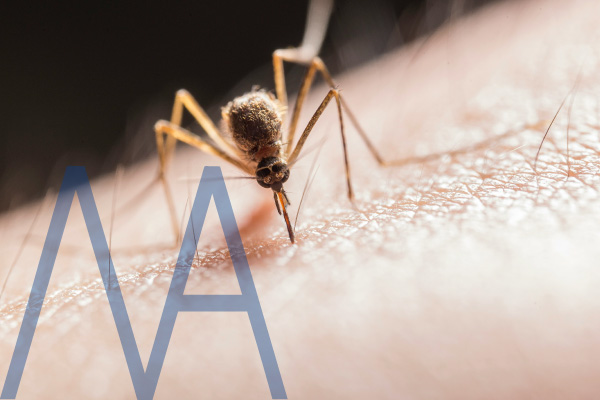
Mosquito season is upon us.
The start of summer generally marks the start of the malaria season in South Africa, due to higher temperatures and increased rainfall in the malaria transmission areas. The malaria-endemic regions are beginning to see increases in the number of malaria cases as expected, marking the start of the malaria season.
The 2025 malaria season in South Africa runs from September to May, with the risk peaking from January to April. During this period, it is crucial for those in endemic areas, such as parts of Limpopo, Mpumalanga, and KwaZulu-Natal, to take precautions against mosquito bites, especially between dusk and dawn.
Key Periods and Risk Factors
Malaria Season: September to May.
Peak Transmission: January to April.
Risk Reduction: The season is typically less risky between May and September due to colder nights, but with climate change, some reports suggest the transmission season could extend.
Endemic Areas: Malaria risk is concentrated in the northeastern parts of the country, including Limpopo, Mpumalanga, and the northern parts of KwaZulu-Natal.
Prevention and Precautions
- Avoid Bites: Stay indoors between dusk and dawn when mosquitoes are most active.
- Protective Clothing: Wear long sleeves and pants, especially at dawn and dusk.
- Insect Repellent: Apply repellents containing at least 20% DEET (diethyltoluamide) to exposed skin.
- Bedroom Protection: Use insecticide-treated bed nets, and ensure windows and doors are screened.
- Indoor Protection: Use mosquito coils and keep indoor areas cool with air conditioning or fans.
- Medication: Consult a healthcare practitioner about taking prophylactic medication, especially if traveling to high-risk areas.
What To Do If You Experience Symptoms
Seek urgent medical attention: If you develop flu-like symptoms such as fever, chills, headache, or body aches after visiting a high-risk area, see a doctor immediately for testing. Early diagnosis and treatment are crucial, as malaria can be fatal if not treated promptly.
Particular care should be taken with children, as symptoms are very nonspecific (fever, loss of appetite and vomiting). Malaria can rapidly progress to severe illness, often with severe consequences, early diagnosis and treatment are strongly recommended.