Recognising Heart Attack Warning Signs: Don’t Ignore These Crucial Symptoms
By Rudolph Ackermann, CEO at MANAGE ALL
Source: IOL Health, 30 July 2025
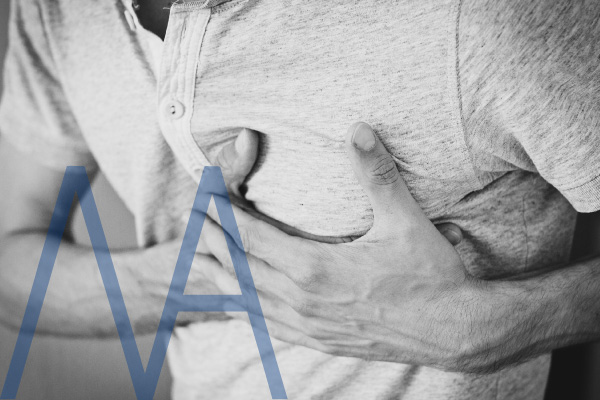
A heart attack can be a terrifying and life-threatening occurrence.
Knowing its warning signs and acting quickly can dramatically improve the outcome.
Many people mistakenly dismiss early symptoms, thinking they’re just indigestion, muscle aches, or simply feeling a bit under the weather. However, recognising these critical signs and getting immediate help is crucial.
Understand What To Look For And Never Ignore Them.
While often portrayed dramatically, chest pain during a heart attack isn’t always a sharp, sudden stab. More often, this is what it looks like:
- Pressure, squeezing, fullness, or tightness: It might feel like a heavy weight on your chest, an uncomfortable pressure, or a band squeezing tightly.
- Location: While typically in the centre or left side of the chest, this sensation can also spread.
Other Vital Clues
It’s essential to remember that heart attack symptoms can vary significantly from person to person.
Sometimes, chest pain isn’t even the most prominent symptom, especially for women, older adults, and individuals with diabetes.
- Arm pain: Discomfort, numbness, or pain in one or both arms, most commonly the left, is a frequent sign.
- Back, neck, jaw, or stomach pain.
- Shortness of breath.
- Cold sweat.
- Nausea or vomiting.
- Light-headedness or dizziness.
- Unusual fatigue: Especially common in women, an unexplained and overwhelming tiredness that lasts for days or weeks leading up to a heart attack can be a significant warning sign.
Who Is Prone To Heart Attacks?
While a heart attack can strike anyone, certain factors significantly increase your risk.
These can be broadly categorised as modifiable (things you can change or manage) and non-modifiable (things you cannot change).
Modifiable Risk Factors:
- High Blood Pressure: This is a leading risk factor. High blood pressure puts extra strain on your heart and arteries, leading to damage over time. Many people in South Africa have hypertension, and a significant number are unaware or not managing it effectively.
- High Cholesterol: High levels of “bad” cholesterol (LDL) can lead to plaque build-up in your arteries, narrowing them and increasing the risk of blockages.
- Diabetes: Both Type 1 and Type 2 diabetes increase the risk of heart disease due to high blood sugar damaging blood vessels and nerves that control the heart.
- Smoking And Tobacco Use: Smoking is extremely damaging to your heart and blood vessels, drastically increasing your risk. This includes exposure to second-hand smoke.
- Obesity And Overweight: Carrying excess weight, especially around the middle, increases the burden on your heart and is often linked to high blood pressure, high cholesterol, and diabetes.
- Physical Inactivity: A sedentary lifestyle weakens your heart and contributes to other risk factors like obesity, high blood pressure, and diabetes.
- Unhealthy Diet: Diets high in saturated and trans fats, salt, and sugar contribute to high cholesterol, high blood pressure, and obesity.
- Excessive Alcohol Consumption: Heavy drinking can lead to high blood pressure and other heart problems.
- Stress: Chronic stress can contribute to heart disease and may lead to unhealthy coping mechanisms like poor diet or lack of exercise.
Non-Modifiable Risk Factors
- Age: The risk of heart disease generally increases with age. For men, the risk typically rises after 45, and for women, it increases significantly after menopause (around 55).
- Gender: Historically, men have been at a higher risk of heart attacks at a younger age than women, though women’s risk catches up after menopause. Women also tend to experience different, sometimes less obvious, symptoms.
- Family History: If you have a close relative (father or brother under 55, or mother or sister under 65) who had early heart disease, your risk is increased.
Statistics from the Heart and Stroke Foundation South Africa indicate that approximately 215 people die every day from cardiovascular diseases in the country. This translates to an estimated five people experiencing a heart attack every hour, and 10 people having a stroke every hour, with 10 of those individuals dying from these events hourly.
Your medical scheme plan is a valuable investment to ensure treatment for the well-being of your loved ones. Please reach out to your dedicated MANAGE ALL healthcare advisor to ensure that your medical scheme benefits cater for the above mentioned related eventualities. Also, remember the necessity of a tailormade Cura top-up/gap cover policy to cater for unforeseen out-of-pocket medical expenses.